The U.S. Army Corps of Engineers New York District has played a major role in the navigation, development and maintenance of water resource activities in the New York and New Jersey Harbor Estuary for more than 200 years. From maintenance and channel dredging to drift removal and environmental restoration, the New York District has been involved in many facets of port improvement plans. 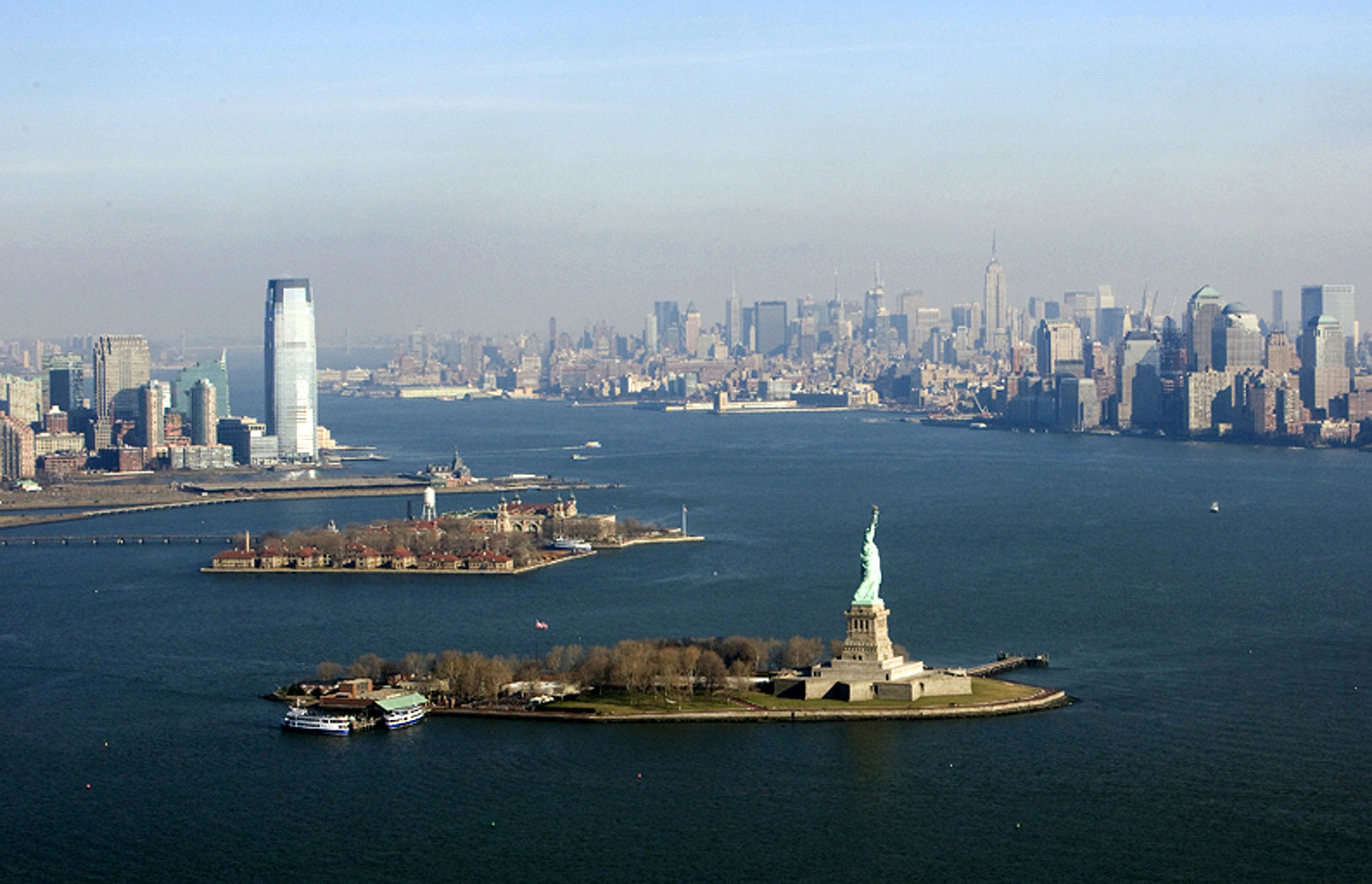
The U.S. Army Corps of Engineers, in conjunction with sponsor agencies and stakeholders, such as The Port Authority of New York and New Jersey and the states of New York and New Jersey, are committed to making the New York and New Jersey Harbor a world class estuary.
The New York District is in the study phase for several environmental projects including the Hudson Raritan Estuary Restoration Feasibility Study. As part of this study, the U.S. Army Corps of Engineers and The Port Authority of New York and New Jersey, in partnership with the New York-New Jersey Harbor Estuary Program, have developed a Comprehensive Restoration Plan (CRP) for the Hudson Raritan Estuary. This Plan sets forth a consensus vision, master plan and strategy for future ecosystem restoration in the region.
There are also several environmental studies in progress to assess environmental problems and potential solutions in areas including the Lower Passaic River and the Hackensack Meadowlands in New Jersey.
The New York Harbor is a major shipping port and center of commerce, and key navigation channels were deepened to meet the growing demands of the port. The Port of New York and New Jersey is the nation's third largest container port, indirectly and directly supporting more than 336,000 jobs in the region.
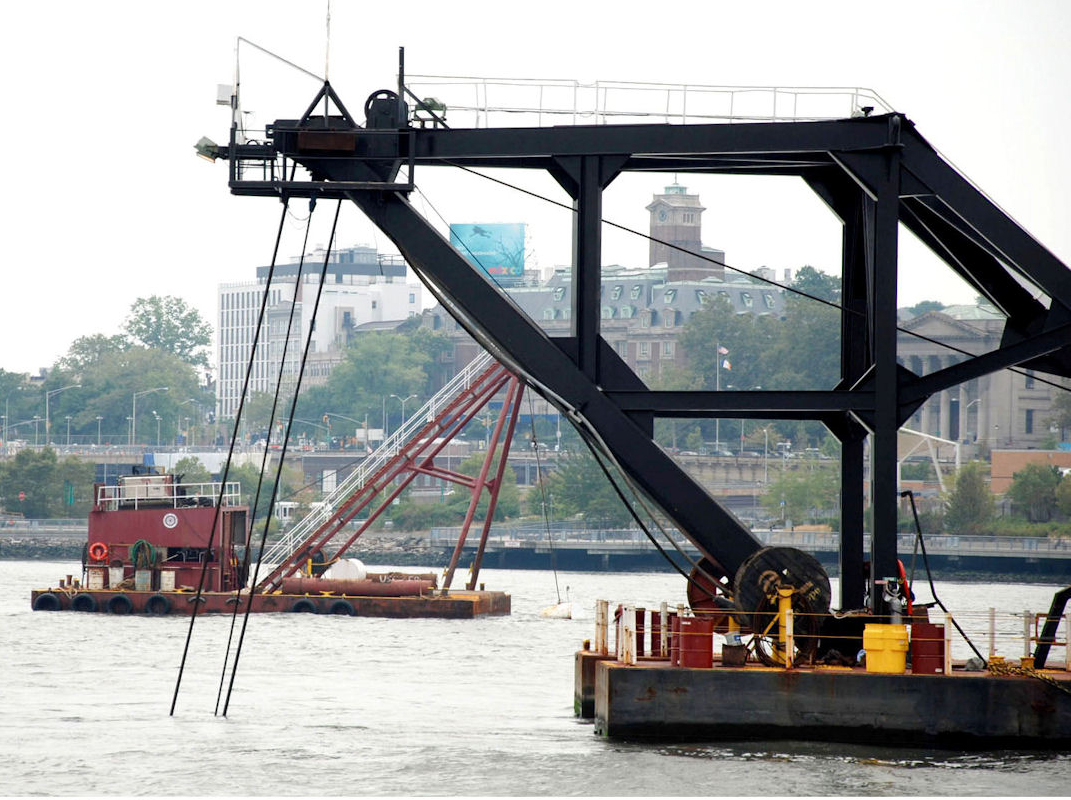 Important navigation projects for the Port of New York and New Jersey included the deepening of the Kill Van Kull, Ambrose, Port Jersey, Anchorage and Arthur Kill channels. The harbor deepening may be the most important and influential project related to modern day economics in the Northeast. Modern-day container ships may now enter the port fully loaded and safely. The $2.1 billion program was executed in a manner that allowed for over $800 million in savings and all the dredge material was used beneficially to enhance the environment. Additionally, the Corps has an ongoing Dredged Material Management Plan to support the beneficial use of dredged material.